Mastering Kakuro Puzzles: A Comprehensive Guide for Puzzle Enthusiasts
Welcome to the world of Kakuro puzzles, a captivating and intellectually stimulating pastime that has gained significant popularity on platforms like Amazon KDP. Whether you're a seasoned puzzle solver or a newcomer, this guide will help you understand the ins and outs of Kakuro, its significance, and how you can enjoy it in your daily life.
What is a Kakuro Puzzle?
Kakuro, also known as Cross Sums or Kakro, is a type of logic puzzle that combines elements of crosswords and Sudoku. The objective is to fill in the white cells with numbers from 1 to 9 so that they add up to the specified sum in the black cells, without repeating any number in a single entry. This unique blend of arithmetic and logical reasoning makes Kakuro a challenging yet rewarding puzzle.
The Basics of Kakuro
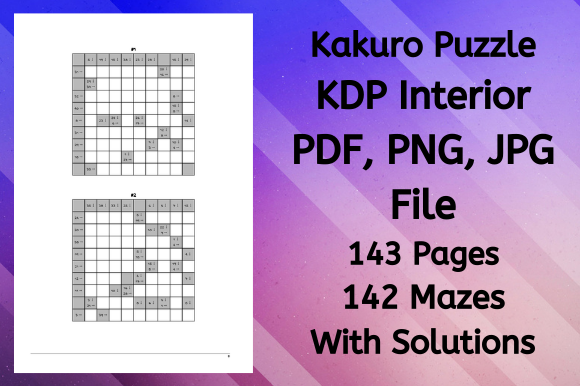
- Grid Layout: Kakuro puzzles are typically presented on a grid, similar to a crossword, with some cells shaded black and others left white. The black cells contain clues (sums) that indicate the total of the numbers in the corresponding white cells.
- Clues and Entries: Clues are given in the form of sums, and each entry (a sequence of white cells) must add up to this sum. For example, if a clue is "10" for a two-cell entry, possible combinations could be 1+9, 2+8, 3+7, or 4+6.
- No Repeats: One of the key rules of Kakuro is that no number can be repeated within a single entry. This adds an extra layer of complexity and requires careful planning and deduction.
Why Kakuro Puzzles Are So Popular
Kakuro puzzles have become a favorite among puzzle enthusiasts for several reasons:
- Mental Stimulation: Solving Kakuro puzzles enhances cognitive skills such as logical thinking, problem-solving, and arithmetic. It's a great way to keep your mind sharp and engaged.
- Variety and Challenge: Each Kakuro puzzle offers a unique challenge, making it a fresh and exciting experience every time. The variety of clues and grid layouts ensures that no two puzzles are alike.
- Accessibility: Kakuro puzzles are accessible to people of all ages and skill levels. With a bit of practice, even beginners can quickly become proficient and enjoy the satisfaction of solving more complex puzzles.
How to Solve a Kakuro Puzzle
Here’s a step-by-step guide to help you get started with solving Kakuro puzzles:
- Understand the Clues: Begin by carefully reading the clues provided in the black cells. These clues will tell you the sum of the numbers in the corresponding white cells.
- Identify Possible Combinations: For each clue, list out all possible combinations of numbers that add up to the given sum. For example, if the clue is "10" for a two-cell entry, the possible combinations are 1+9, 2+8, 3+7, and 4+6.
- Eliminate Impossible Combinations: Use the process of elimination to rule out combinations that do not fit with the other entries in the same row or column. For instance, if a cell in the same row already contains a 5, you can eliminate any combination that includes a 5.
- Fill in the Grid: Start filling in the grid with the numbers that fit the clues and the rules. Continue this process, using logic and deduction to narrow down the possibilities until the entire grid is complete.
Creating Your Own Kakuro Puzzle Book
If you’re interested in creating and publishing your own Kakuro puzzle book, here’s what you need to know:
- Dimensions and Format: Standard dimensions for a Kakuro puzzle book are 8.5 x 11 inches. Ensure that your puzzles and solutions are formatted correctly, with a bleed of 0.125 inches on all sides.
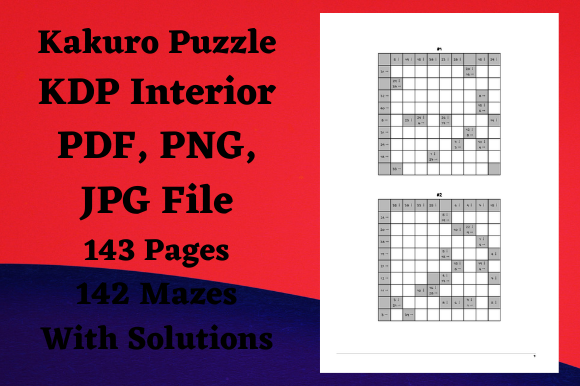
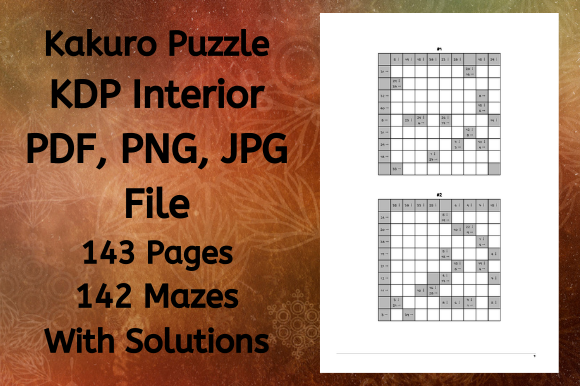
- Puzzle Quantity and Layout: A typical Kakuro puzzle book might include 142 puzzles, with 2 puzzles per page and 2 answers per page. This layout allows for a clean and organized presentation, making it easy for readers to follow along.
- Content Quality: Ensure that all content is new and original, with no duplicate puzzles. This not only enhances the value of your book but also helps in maintaining a high standard of quality.
- Printing and Publishing: Once your puzzles are ready, convert them into PDF, PNG, and JPG formats. These files should be tested and formatted for KDP, ensuring they are ready for printing and publication.
Conclusion
Kakuro puzzles offer a delightful and engaging way to challenge your mind and improve your logical and arithmetic skills. Whether you’re looking to solve puzzles for fun or create your own Kakuro puzzle book, this guide provides a comprehensive overview to help you get started. Happy puzzling!
For more information and resources on Kakuro puzzles, visit Example Kakuro Puzzles.