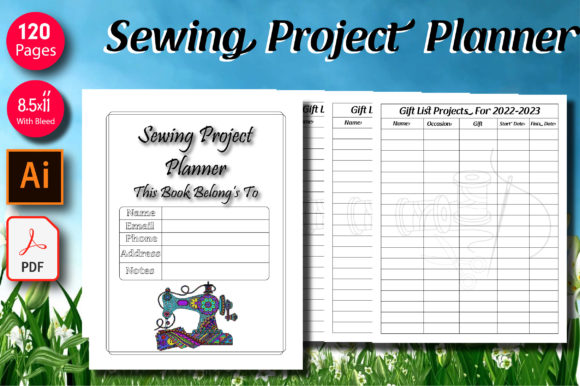
Sewing Project Planner: Elevating Creative Workflows and KDP Publishing Opportunities
The intersection of traditional craftsmanship and modern digital entrepreneurship has created a unique demand for specialized organizational tools. For decades, sewing enthusiasts relied on loose scraps of paper, marginalia in pattern books, or generic notebooks to track their creative endeavors. Today, the Sewing Project Planner represents a significant evolution in how makers manage their craft, serving simultaneously as a practical utility for hobbyists and a strategic asset for low-content publishers. This dual relevance stems from a broader cultural shift toward intentional creativity and the professionalization of self-publishing platforms like Amazon KDP.
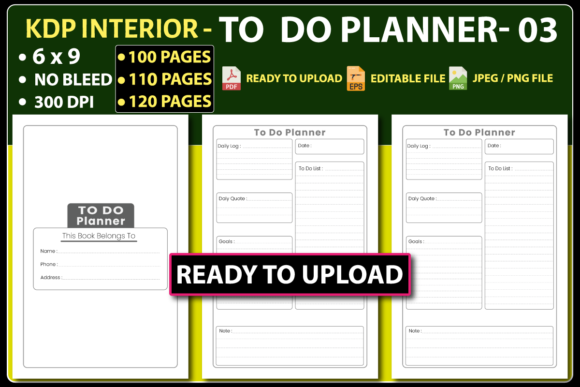
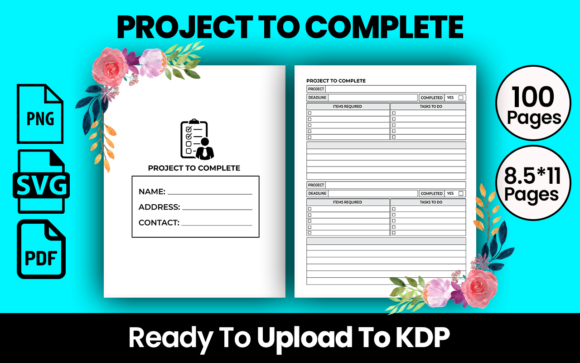
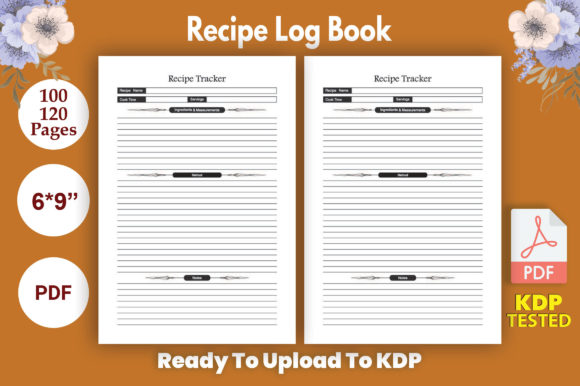
Understanding this tool requires looking beyond its physical pages. It is a system designed to bridge the gap between abstract inspiration and tangible execution. For the creator using it, it offers structure without stifling artistic flow. For the entrepreneur publishing it, this specific KDP interior is perfect for your low or no content business because it addresses a verified niche need rather than saturating an already crowded general journal market. The product is ready for printing, eliminating the technical friction that often stalls new publishing ventures.
The Evolution of Maker Organization
Historically, sewing was documented through oral tradition or brief notes tucked into commercial pattern envelopes. As the maker movement gained momentum in the early 2010s, the volume of information a single sewist needed to manage exploded. Modern creators juggle fabric inventory, body measurements, pattern adjustments, notion requirements, and project timelines. A standard lined notebook fails to capture this complexity efficiently. The dedicated planner emerged as a response to cognitive overload, providing predefined fields that prompt users to record critical data they might otherwise forget.
This evolution mirrors trends in other productivity sectors where specialization beats generalization. Just as software developers moved from generic text editors to integrated development environments, sewists have moved toward purpose-built planning systems. This shift validates the market viability of niche planners. When you offer a resource that understands the specific vocabulary and workflow of a community, you build trust. This is why a well-structured interior resonates more deeply than a blank book; it demonstrates empathy for the user's process.
Aligning with Modern Creative Habits
Contemporary crafting is increasingly hybrid. Makers use digital pattern libraries, online fabric stores, and social media for inspiration, yet the act of sewing remains intensely analog. The Sewing Project Planner serves as the grounding anchor in this mixed ecosystem. It allows users to step away from screens while maintaining the organizational rigor that digital tools provide. This "digital detox" aspect of physical planning is a major selling point for adults aged 20–50 who experience screen fatigue but still desire structured productivity.
Furthermore, the rise of sustainable fashion and slow living has changed how people approach sewing. Projects are no longer just about quick garments; they are long-term investments in skill-building and sustainability. Planners now include sections for cost-per-wear analysis, fabric sourcing ethics, and stash utilization tracking. These features reflect changing consumer values. Publishers who recognize these nuances can create interiors that feel current and necessary, rather than outdated reprints of vintage logs.
Strategic Advantages for KDP Publishers
For those operating a low or no content business, technical precision is as important as market research. Amazon’s printing standards are unforgiving, and formatting errors can lead to rejected manuscripts or poor customer reviews. This specific resource mitigates those risks entirely. Also, 100 formatted for KDP, it has 120 pages, ready to upload, ensuring that the page count aligns with optimal spine width calculations and royalty tiers. The trim size 8.5″ x 11″ is the industry standard for workbook-style planners, offering ample space for detailed sketches and swatch attachment without feeling unwieldy.
The inclusion of bleed settings is a critical technical detail often overlooked by novice publishers. Bleed ensures that design elements extending to the edge of the page are trimmed correctly, preventing unsightly white borders that signal amateur production. With bleed properly configured, the final product achieves a professional bookstore quality. This attention to detail directly impacts perceived value. Customers browsing "Look Inside" previews can instantly distinguish between a hastily assembled PDF and a thoughtfully designed publication.
File Formats and Workflow Efficiency
Time-to-market is a key metric for independent publishers. Sourcing or designing a high-quality interior can take weeks of iteration. Having access to a download instantly with PDF formats ready to upload on KDP compresses this timeline significantly. The availability of AI (Adobe Illustrator) source files adds another layer of strategic flexibility. While the PDF is sufficient for immediate uploading, the AI file allows experienced publishers to customize branding, add introductory content, or modify layouts to differentiate their edition from competitors.
- Rapid Deployment: Eliminates the learning curve associated with typesetting and margin calculation.
- Customization Potential: Editable vector files enable brand consistency across multiple titles.
- Risk Reduction: Pre-validated files minimize the chance of KDP rejection due to gutter or bleed errors.
- Scalability: Allows publishers to test multiple niches quickly without reinventing the wheel for each title.
This efficiency does not negate the need for marketing or keyword research, but it removes the production bottleneck. Entrepreneurs can focus their energy on audience building and listing optimization rather than troubleshooting print margins.
Practical Implications for Diverse Audiences
The utility of this planner extends beyond individual hobbyists. Educators in fashion design and home economics find such structured resources invaluable for teaching students project management alongside technical skills. In a classroom setting, the planner acts as both a grading rubric and a learning scaffold, helping students develop professional habits early. Freelance seamstresses and tailors also benefit, using the planner to track client commissions, material costs, and time expenditure to ensure accurate pricing and profitability.
For bloggers and content creators in the sewing niche, the planner serves as a content calendar and engagement tool. Documenting projects systematically makes it easier to write tutorials, review patterns, or share progress updates on social media. The planner becomes part of their content creation workflow, transforming private organization into public value. This interconnectedness highlights why the product remains relevant; it supports the entire ecosystem of modern making, not just the isolated act of stitching.
Navigating Market Saturation with Quality
It is realistic to acknowledge that the low-content publishing space is competitive. Success no longer comes from simply uploading generic templates. It comes from identifying underserved segments within broader categories. Sewing is a vast field with distinct sub-niches: quilting, garment construction, embroidery, and upcycling all have different planning needs. A general Sewing Project Planner provides a strong foundation, but publishers should consider how they position it. Is it for beginners learning their first stitches? For advanced quilters managing complex block layouts? For costume designers tracking period-accurate details?
Quality signals matter more than ever. Reviews frequently mention paper thickness, binding durability, and layout usability. By starting with a professionally formatted interior that includes proper bleed and standard trim sizes, publishers establish a baseline of quality that meets customer expectations. The 120-page length strikes a balance between comprehensiveness and portability, making it suitable for year-round use or seasonal project batching. This thoughtful specification suggests an understanding of the end-user's physical interaction with the book.
Future-Proofing Your Publishing Portfolio
Trends in analog planning suggest a move toward modularity and personalization. Users want systems that adapt to their evolving skills. Publishers can leverage the editable nature of AI files to create series or updated editions that respond to community feedback. Perhaps future versions will include QR codes linking to video tutorials or digital pattern repositories. The foundation provided by this ready-to-upload interior allows for such innovation without requiring ground-up redesigns.
Moreover, as artificial intelligence integrates deeper into creative workflows, the role of physical planners may shift toward capturing the human element that AI cannot replicate. While algorithms can suggest color palettes or optimize fabric yield, they cannot document the tactile satisfaction of a hand-finished hem or the emotional significance of a heirloom reproduction. The planner preserves this qualitative data. For publishers, this means the product’s value proposition is inherently resistant to technological obsolescence. It complements digital tools rather than competing with them.
Ultimately, the decision to utilize a pre-formatted Sewing Project Planner should be driven by a commitment to serving a specific audience well. The technical readiness—PDF formats, correct bleed, standard trim size—is merely the vehicle for delivering genuine value. Whether you are a seasoned publisher expanding your catalog or a new entrepreneur testing the waters, success depends on respecting the craft behind the content. The sewing community values precision, patience, and quality; your publishing efforts should reflect those same principles. By offering a tool that genuinely enhances the creative process, you build a sustainable business rooted in authentic utility rather than fleeting trends.